Source restaurant hotel chopping block table for Home Hotel Restaurant
Compare 30 verified listings for a restaurant hotel chopping block table featuring stainless steel and wood options. Buyers can evaluate sizes, materials like 304 steel, and customization availability for commercial kitchens.
Key considerations
Products List








Comprehensive Sourcing Guide
Strategic Sourcing Guide for Restaurant and Hotel Chopping Block Tables
The global hospitality sector relies heavily on durable, hygienic, and efficient kitchen infrastructure. When sourcing a "restaurant hotel chopping block table," buyers are navigating a complex market where terminology often blurs the line between a standalone work surface and a specialized cutting station. This guide provides a disciplined approach to evaluating products that combine the structural integrity of a stainless steel work table with the functional utility of a chopping block. The analysis below is grounded in observed product attributes, material specifications, and compliance frameworks relevant to the industry, ensuring that procurement decisions are based on verifiable facts rather than marketing assertions.
Understanding Product Definitions and Core Attributes
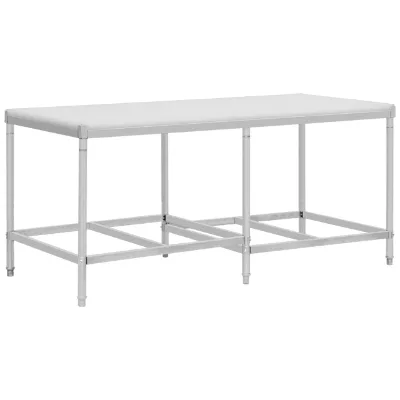
In the context of B2B procurement, the term "chopping block table" can refer to two distinct product categories that are often conflated in search results. The first is a heavy-duty stainless steel work table designed for general food preparation, which may feature a specific section or top designed for cutting. The second is a dedicated chopping board rack or a table specifically engineered to hold large wooden or composite cutting surfaces.
Based on observed market data, the primary product type identified is the "stainless steel work table," often categorized under "Hotel Furniture." These units typically feature a "knock down design," which facilitates easier shipping and assembly on-site, a critical factor for international logistics. The standard dimensions observed for these work tables are 1800x800x850mm, though "customized size" is frequently available to meet specific kitchen layouts. The material composition is a decisive factor, with suppliers offering options in 201, 304, and 430 grades of stainless steel. The choice between these grades depends on the specific environment; 304 stainless steel is generally preferred for high-moisture areas due to superior corrosion resistance, while 430 and 201 are often used for cost-sensitive applications or lower-humidity zones.
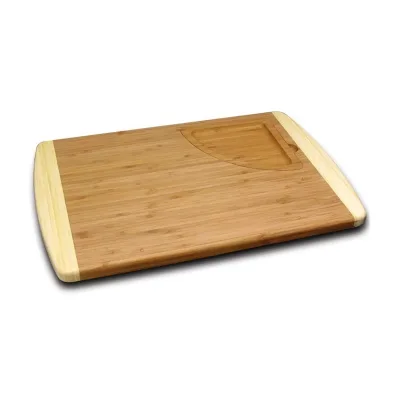
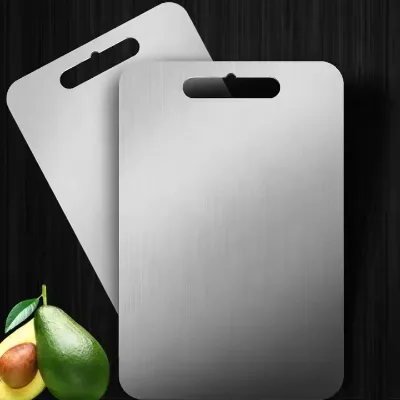
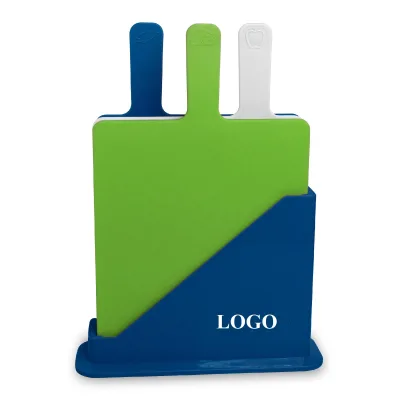
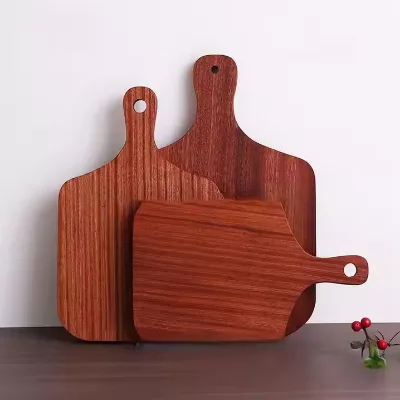
Conversely, the market also lists standalone "cutting boards" and "chopping board racks." These items are distinct from the work tables but are essential components of the same workflow. Attributes for these boards include materials such as "Bamboo" or "Wood," with finishes ranging from "Natural" to "Carbonized." Some designs are "Double-sided," offering extended surface life, while others are "Square" or "Round." The "Type" for these accessories is often listed as "Chopping Board Rack" or simply "Chopping Board," with features like "Anti-friction" and "Easy Clean" being common selling points. Buyers must clearly distinguish between the structural table and the cutting surface when defining their procurement requirements.
Technical Specifications and Material Verification
When evaluating the technical specifications of a chopping block table, the material grade is the most critical parameter. The observed product data explicitly lists "430/201/304 Stainless Steel" as available materials. For a restaurant or hotel environment, where exposure to acids, salts, and constant moisture is inevitable, the distinction between these grades is not merely technical but operational. 304 stainless steel is the industry standard for food contact surfaces due to its high nickel content, which prevents rust. 201 and 430 grades contain less nickel and are more susceptible to corrosion over time, making them suitable for dry prep areas or back-of-house storage rather than active wet prep zones.
The physical dimensions of the table also dictate its utility. The standard size of 1800x800x850mm provides a substantial workspace, but the "Customized size" option allows for integration into tight commercial kitchens. The "Thickness" of the material is another observed specification, often described as "Thickening," which implies a heavier gauge steel that resists denting under the impact of knives and heavy equipment. The "Design Style" is typically "Modern," aligning with contemporary commercial kitchen aesthetics, though "Antique" finishes are available for specific boutique hotel concepts.
For the cutting surface itself, the "Shape" (Square, Round) and "Design" (Double-sided, Flexible) influence the workflow. A "Double-sided" board allows for rotation when one side becomes too worn, effectively doubling the service life. The "Color" options, such as "Brown" or "Natural," are aesthetic choices that must align with the kitchen's branding. The "Function" of these boards often includes "Anti-friction" properties to ensure stability during vigorous chopping, a feature that is crucial for safety and efficiency.
Compliance, Certification, and Food Safety Standards
Food safety is the non-negotiable cornerstone of procurement for the hospitality industry. When sourcing chopping block tables and associated cutting boards, buyers must verify that products meet international food safety standards. The observed product data highlights specific certifications such as "FDA," "LFGB," and "SGS." These are not optional marketing claims but essential compliance markers.
The FDA (Food and Drug Administration) certification indicates that the materials are safe for direct food contact in the United States. LFGB (Lebensmittel- und Bedarfsgegenständegesetz) is the German standard, which is often stricter than FDA regulations and is highly regarded in the European market. SGS is a global inspection, verification, testing, and certification company that provides third-party validation of product quality and safety. The presence of these certifications on the product listing suggests that the supplier has undergone rigorous testing for chemical composition and leaching potential.
Additionally, the "Standard" for the product is listed as "GRADE A, SGS, CE." Grade A implies a high-quality tier of material, free from significant defects. The CE mark indicates conformity with health, safety, and environmental protection standards for products sold within the European Economic Area. Buyers should request copies of these certificates to verify that the specific batch of products they are purchasing has been tested. Relying solely on the presence of a certification logo on a product page is insufficient; the documentation must be current and applicable to the specific model number, such as "BN-W24" for the work table or "JH-K005" for the chopping board rack.
Cost Drivers and Procurement Economics
The cost of a restaurant hotel chopping block table is influenced by several variables, including material grade, customization, and packaging. The observed price range in the market spans from $0.1 to $360 USD. This wide disparity reflects the difference between a simple cutting board accessory and a fully assembled, heavy-duty stainless steel work table. The "Selling Units" are typically listed as "Single item," but bulk purchasing is often necessary for commercial setups.
The Minimum Order Quantity (MOQ) is a significant cost driver. Observed data shows an MOQ range of 1 to 2000 units, with a specific attribute noting an MOQ of "10PCS" for certain models. This suggests that while some suppliers offer low-volume entry points, larger orders may be required to secure the best unit price. The "Packaging" method also impacts logistics costs. The "Export Standard Carton" is the norm, but the "Mail packing" attribute indicates that some items may be shipped in lighter, less protective packaging, which could increase the risk of damage during transit.
Customization is a key factor in pricing. The "Customization: Available" attribute implies that buyers can request specific dimensions, finishes, or material grades, which will likely increase the unit cost and potentially the lead time. The "Brand Name" of the supplier, such as "CosBao" or "YIHE," can also influence price, as established brands may command a premium for perceived reliability. However, buyers should avoid equating brand name with quality without verifying the underlying material specifications and certifications.
Supplier Evaluation and Operational Capabilities
Evaluating a supplier requires a deep dive into their operational capabilities and geographic location. The "Place of Origin" for the observed products is primarily "Guangdong, China" and "Zhejiang, China," with specific mentions of "Zhejiang Ningbo." These regions are known for their manufacturing hubs in stainless steel and wood processing. The "Brand Name" "CosBao" is associated with the Guangdong origin, while "iLife" and "YIHE" appear in the context of different product lines.
Buyers should verify the supplier's ability to handle "After-sale Service," which is listed as "Online Technical Support" for some products. This is a critical component of long-term procurement, as kitchen equipment requires maintenance and occasional repairs. The "Design" of the product, such as the "Knock down design," is a logistical advantage that reduces shipping volume and costs. However, buyers must ensure that the knock-down mechanism is robust and that the assembly instructions are clear to prevent on-site errors.
The "Feature" list, including "Eco-Friendly," "Durable," and "Stocked," provides insight into the supplier's production philosophy. "Eco-Friendly" materials, such as the "Bamboo" cutting boards, appeal to sustainability-focused hotel chains. "Stocked" items indicate that the supplier has inventory ready for immediate shipment, which can reduce lead times. Conversely, "Customized" items will require a longer production cycle. Buyers should confirm the "Lead Time" for both stocked and customized orders, as this information is not explicitly provided in the observed data but is essential for planning.
Quality Control and Long-Term Procurement Strategy
Implementing a robust quality control (QC) strategy is essential for ensuring that the purchased chopping block tables meet the required standards. The "Chemical Composition" of the stainless steel must be verified to ensure it matches the claimed grade (201, 304, or 430). A simple magnet test can distinguish between 304 (non-magnetic or weakly magnetic) and 430 (magnetic) steel, but for a definitive assessment, a spectrometer test is recommended. The "Weight" of the product, such as the observed "4KG" for a specific unit, can also serve as a proxy for material density and thickness; lighter products may indicate thinner gauge steel.
For long-term procurement, buyers should consider the "After-sale Service" and the availability of replacement parts. The "Single package size" of 48x45x5 cm for a cutting board suggests efficient storage, but the durability of the "Double-sided" design is a key factor in reducing long-term replacement costs. The "Function" of "Anti-friction" ensures that the board remains stable, reducing the risk of accidents and extending the life of the equipment.
Buyers should also evaluate the "Style" and "Design" for longevity. A "Modern" design style is generally timeless and adaptable to various kitchen renovations, whereas an "Antique" style may limit future design flexibility. The "Color" options, such as "Natural or Carbonized," should be chosen based on the kitchen's lighting and aesthetic requirements. Carbonized wood, for instance, offers a darker, more durable finish that is resistant to staining.
In conclusion, sourcing a restaurant hotel chopping block table requires a meticulous approach that balances technical specifications, compliance, cost, and supplier reliability. By focusing on verified attributes such as material grade, certification status, and design features, buyers can make informed decisions that ensure the longevity and safety of their kitchen operations. The observed data provides a solid foundation for this process, but continuous verification and on-site quality checks remain the ultimate safeguards against substandard procurement.
FAQs
What materials are used for restaurant hotel chopping block tables?
These tables are constructed from 201, 304, or 430 stainless steel grades. Buyers should select 304 steel for high-moisture areas due to its superior corrosion resistance compared to the other grades.
Which certifications ensure food safety for these kitchen tables?
Verified products often carry FDA, LFGB, and SGS certifications. These marks confirm the materials are safe for direct food contact and meet international health and safety standards for the hospitality industry.
Can I customize the size of a stainless steel work table?
Yes, customization is available for standard dimensions like 1800x800x850mm. Buyers can request specific sizes to fit unique kitchen layouts, though this may affect the unit price and lead time.
How does the knock down design benefit international shipping?
The knock down design allows the table to be disassembled for easier transport. This feature significantly reduces shipping volume and costs while facilitating on-site assembly at the destination location.
What is the typical minimum order quantity for these products?
The minimum order quantity ranges from 1 to 2000 units depending on the supplier. Some specific models require a minimum of 10 pieces, while others allow for single item purchases.
Which features make a cutting board suitable for commercial use?
Commercial boards often feature anti-friction surfaces and double-sided designs. These attributes ensure stability during chopping and extend the service life by allowing rotation when one side becomes worn.